
This post may contain affiliate links, including those from Amazon Associates. If you make a purchase through these links, I may earn a commission at no additional cost to you. Learn more about our affiliate policy.
Some mornings feel especially grounding to me. The sunlight comes through the window at just the right angle, the kettle warms on the stove, and the world feels simple for a moment.
Those small rituals often remind me that the things that nourish us most rarely cost very much.
Many women I speak with feel caught between two pressures. On one side, there is a culture that constantly encourages spending, upgrading, and chasing the next improvement.
On the other side, there is a growing desire to live with more intention, health, and sovereignty. The tension between those forces can feel exhausting.
Frugal living often gets misunderstood. People imagine restriction, deprivation, or counting every dollar.
Yet the version of frugal living that has transformed my life looks very different. It feels spacious, thoughtful, and aligned with what truly matters.
Over the years I have noticed that certain habits quietly shift how life feels day to day. They reduce financial stress while also creating more calm and satisfaction.
If you are exploring how a slower and more intentional lifestyle can shift your relationship with money and daily choices, you may also enjoy reading How To Feel More Abundant When You’re Income Is Low.
Here are nine simple frugal living habits that can make life feel surprisingly rich.
Buy Less, But Choose Better
One of the most powerful shifts I ever made was learning to buy fewer things. At first this felt uncomfortable because modern life encourages constant consumption. Over time I realized that owning fewer items created more clarity in my home and in my mind.
When I do buy something now, I look for quality and longevity. A well made item that lasts years often costs less in the long run than several cheaper replacements. It also creates a sense of appreciation for the objects we use every day.
This habit slowly reshapes how we think about spending. Instead of chasing new things, we begin surrounding ourselves with items that truly serve our lives.
This video from Madisun Gray is very inspiring for living an intentional life instead of being a consumer:
Practice the “Use What You Have” Mindset
Many of us already own more than we realize. Pantry shelves, bathroom cabinets, and storage closets often hold items we forgot were even there. Developing the habit of using what we already have can reduce spending immediately.
Before grocery shopping, I now take a few minutes to look through the pantry and refrigerator. That small pause often inspires a meal idea using ingredients that are already available. The same approach works with clothing, beauty products, and household supplies.
This mindset builds a quiet sense of abundance. Instead of constantly seeking something new, we begin noticing how much is already supporting our lives.
Learn to Cook Simple Whole Foods at Home
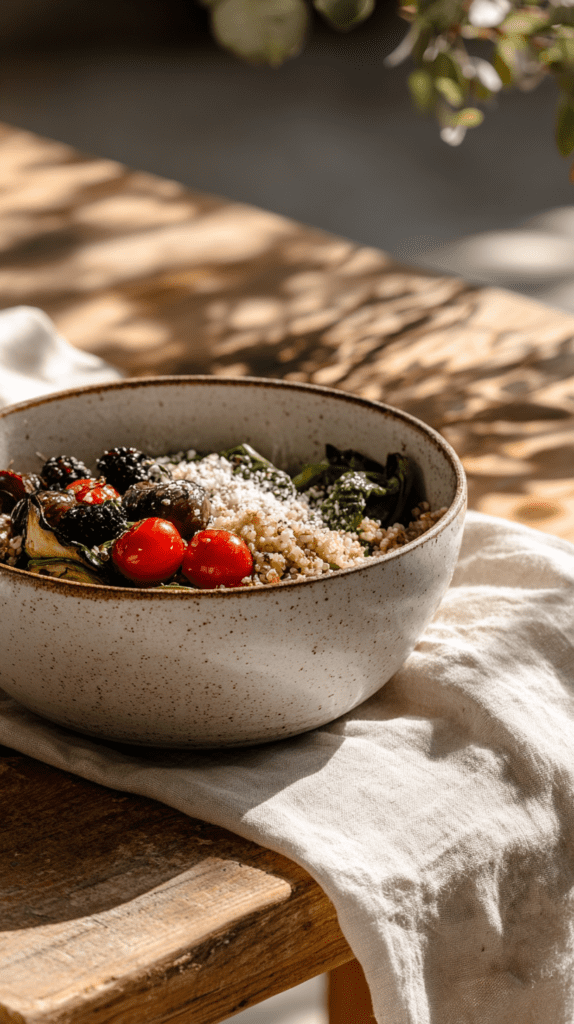
Cooking at home remains one of the most powerful frugal habits available to us. It saves a surprising amount of money while also supporting better health and stronger daily rhythms.
The act of preparing food can become one of the most grounding parts of the day.
I used to believe cooking required complicated recipes and endless ingredients. What changed everything was building a small rotation of simple meals I could make without thinking. A pot of soup, roasted vegetables, eggs with fresh herbs, or a nourishing grain bowl can come together quickly.
Over time this habit becomes second nature. The kitchen shifts from a place of stress to a place of nourishment and creativity.
Build Simple Daily Routines Instead of Expensive Solutions
Many of the problems modern culture tries to solve with products can actually be supported through simple routines. When our days have some structure, we rely less on convenience spending and quick fixes.
A morning walk outside, stretching before bed, or making tea in the evening are small practices that anchor the nervous system. They cost almost nothing yet provide a powerful sense of stability.
Over time these rituals begin to shape the rhythm of the entire day.
Frugal living often thrives through these kinds of rhythms. When life feels grounded, the impulse to solve every discomfort with spending starts to fade.
Many people find that gentle lifestyle shifts make the biggest difference, which is why these ideas pair well with the simple changes shared in 11 Easy Swaps To Begin a Slow Living Lifestyle This Year.
Declutter Your Home Regularly

Clutter carries a hidden cost. It fills our homes, but it also fills our minds. When too many items compete for attention, even simple tasks can feel overwhelming.
I began decluttering in small sessions rather than dramatic weekend purges. A drawer here, a shelf there, or a small box of donations every few weeks. This slow approach made the process feel manageable and sustainable.
As space opened in my home, I noticed something else opening as well. Daily life became easier to navigate and more peaceful to inhabit.
Prioritize Experiences Over Possessions
Some of the most memorable moments in life come from simple experiences. Walking through a farmers market, spending an afternoon in nature, or cooking a meal with someone you love often creates deeper satisfaction than buying something new.
Experiences connect us with the present moment. They create memories rather than clutter. They also tend to cost far less than the constant cycle of purchasing new possessions.
This shift does not require dramatic lifestyle changes. Even small experiences woven into everyday life can create a surprising sense of richness.
Reduce Subscription and Convenience Spending
Modern life quietly accumulates subscriptions. Streaming services, apps, delivery memberships, and monthly boxes can add up faster than we realize. Many people do not notice the full cost until they take a closer look.
Every few months I review my subscriptions and ask a simple question. Is this truly adding value to my life right now. If the answer is unclear, I pause or cancel it.
This practice frees both money and mental energy. It reminds us that convenience is helpful at times, but it does not need to define how we live.
Grow or Make Something Yourself

There is a unique satisfaction that comes from creating something with your own hands. It could be growing herbs on a windowsill, baking bread on a weekend morning, or mixing a simple homemade cleaner.
These small acts reconnect us with older skills that many people have forgotten. They also create confidence. Each time we make something ourselves, we become slightly less dependent on systems that encourage constant purchasing.
This habit also tends to spread naturally. One small project often leads to another as curiosity grows.
If the idea of creating more things yourself feels inspiring, you might enjoy exploring a few beginner ideas in 10 Simple DIY Container Ideas for Apartment Gardening on a Budget.
Practice Gratitude for What You Already Have
Perhaps the most important frugal habit has nothing to do with money. It has to do with perspective. When we regularly notice what is already working in our lives, the desire for constant upgrades begins to lose its grip.
I like to pause at the end of the day and reflect on a few things that supported me. Sometimes it is as simple as a nourishing meal, a conversation with a friend, or a peaceful moment outside.
This practice shifts our focus away from scarcity and toward sufficiency. Over time that shift changes how we move through the world.
The Quiet Wealth of a Simple Life
Frugal living, when practiced with intention, becomes something far deeper than saving money. It creates space to breathe. It reduces the pressure to constantly keep up with expectations that may not even belong to us.
These habits do not require perfection. You can begin with one small shift and allow the rest to unfold naturally. Often the most meaningful changes start quietly and grow through daily practice.
Life begins to feel richer when our choices align with what truly nourishes us. And many of those choices cost very little at all.