
This post may contain affiliate links, including those from Amazon Associates. If you make a purchase through these links, I may earn a commission at no additional cost to you. Learn more about our affiliate policy.
There is a version of home that feels steady. It is not expensive. It is not curated for social media. It is lived in, capable, and grounded. If you have ever felt stretched thin by rising costs, endless to do lists, and the pressure to keep up, you are not alone.
A self sufficient home is not about going off grid or doing everything perfectly. It is about slowly building the skills, rhythms, and mindset that make you feel capable in your own space. It is about shifting from reactive living into intentional living. And it happens one habit at a time.
What a Self Sufficient Home Really Means
When most people hear self sufficient, they imagine acres of land, livestock, and a root cellar. That can be beautiful, but it is not required. A self sufficient home is simply a home that meets more of its own needs with intention and care.
It means cooking instead of defaulting to takeout. It means repairing before replacing. It means knowing how to handle small problems instead of feeling helpless when something breaks. Over time, those choices create stability that no trend or economic shift can easily take away.
This kind of home feels different. It feels calmer. It feels capable. It feels like you are participating in your own life instead of constantly trying to catch up.
Start With the Habit of Awareness

Before you add new skills, begin with awareness. Walk through your home and notice what you already have. Notice what you use daily, what you forget about, and what you keep buying out of habit rather than need.
Many women feel overwhelmed because they think they need more systems, more storage, more products. Often the real need is clarity. When you understand your home as it is, you stop operating from panic and start operating from choice.
Try a simple weekly reset where you tidy, take inventory of your pantry, and review what needs attention. This small ritual builds trust in yourself. It reminds you that you are capable of managing your space.
To deepen that awareness into calm presence and tangible home support, linking to 12 Simple Daily Reset Routines to Reclaim Your Calm gives readers small, practical reset strategies they can weave into everyday home life.
Build Kitchen Confidence First

The kitchen is one of the most powerful places to begin. Food is daily. Food is expensive. Food is emotional. When you learn to cook from scratch more consistently, you lower costs and raise confidence at the same time.
Start with one or two reliable meals that you can make without stress. Learn to cook simple staples like rice, beans, soups, and roasted vegetables. When those become second nature, add one new skill such as baking bread or making your own salad dressings.
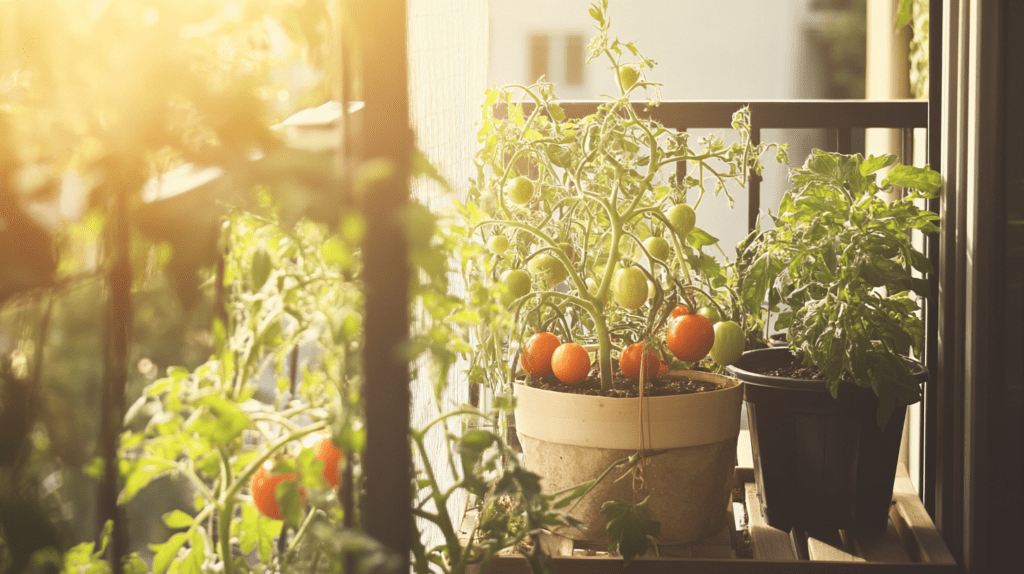
You do not need a homestead to grow something. A pot of herbs on a windowsill changes how you relate to food. It shifts you from consumer to participant, even in a small apartment.
Related: How To Start Urban Homesteading In A Tiny Aparment
Repair Before You Replace
Modern culture trains us to replace. Self sufficiency retrains us to repair. Sewing a button, patching a small hole, tightening a loose hinge, or repainting a scuffed surface are small acts of ownership.
If you were not taught these skills, that is not a personal failure. Many of us were not. The beautiful part is that we can learn now. There are free tutorials, library books, and community classes that make basic home maintenance approachable.
Each repair sends a message to your nervous system. It says, I can handle this. That message builds calm confidence over time.
Begin with small, manageable repairs like:
- Sewing on loose buttons or repairing small tears
- Tightening cabinet handles and door hinges
- Repainting scuffed baseboards or furniture
- Replacing worn weather stripping around doors
- Learning how to safely unclog a drain
Each repair reduces future expense and builds competence.
Create Rhythms Instead of Reacting

A happy, self sufficient home is built on rhythm. When chores and maintenance are only addressed during crisis, everything feels heavier. When they are woven into weekly and monthly cycles, they feel manageable.
Choose a few anchor habits and turn them into a Sunday reset routine. This removes decision fatigue and reduce the background stress that so many women carry.
Simple weekly rhythms might include:
- Sunday laundry and wardrobe reset
- Friday meal planning and grocery review
- A ten minute nightly reset of kitchen counters
- A monthly pantry inventory
- A seasonal declutter of one drawer or cabinet
Practice Intentional Spending at Home
Financial pressure is real. Groceries cost more. Utilities cost more. It is easy to feel like you are always behind. A self sufficient home does not eliminate these realities, but it does give you leverage.
Adopt simple spending boundaries. Have no spend days each week. Pause for 48 hours before non essential purchases. Focus on maintaining what you own instead of constantly upgrading.
This is not about deprivation. It is about clarity. When your spending aligns with your values, your home begins to feel more stable and less chaotic.
Grow Something, Even in a Small Space
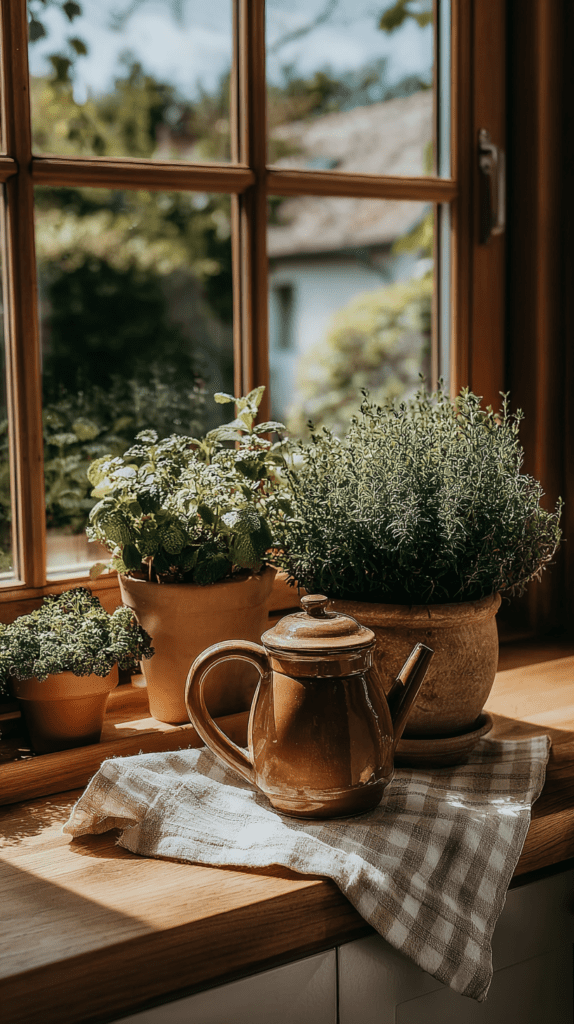
There is something deeply regulating about growing food or tending plants. Even if you only have a balcony or a small yard, you can cultivate herbs, greens, or tomatoes in containers.
Gardening builds patience and connection to seasons. It also reduces small but meaningful grocery expenses over time. More importantly, it restores a sense of partnership with the natural world.
If gardening feels intimidating, begin with one plant. Learn its needs. Let that small success encourage you forward.
Related: How to Start A Renter Friendly Container Garden
Teach and Share Within Your Household
Self sufficiency does not mean doing everything alone. In fact, it becomes more sustainable when it is shared. If you live with a partner or children, involve them in age appropriate tasks.
Rotate chores. Teach simple cooking skills. Invite conversation about budgeting and planning. These shared responsibilities build competence across the household.
Even if you live alone, community still matters. Exchange skills with friends. Share surplus herbs or baked goods. Borrow tools instead of buying new ones.
Track Progress, Not Perfection
It is easy to romanticize the idea of a perfectly self sufficient life. That expectation often leads to burnout. A wiser approach is to track progress.
Keep a small notebook where you record new skills learned, money saved, or habits strengthened. Celebrate the first month you consistently cooked at home. Celebrate the first time you repaired something instead of replacing it.
Progress builds momentum. Perfection shuts it down.
Shift From Survival Mode to Ownership
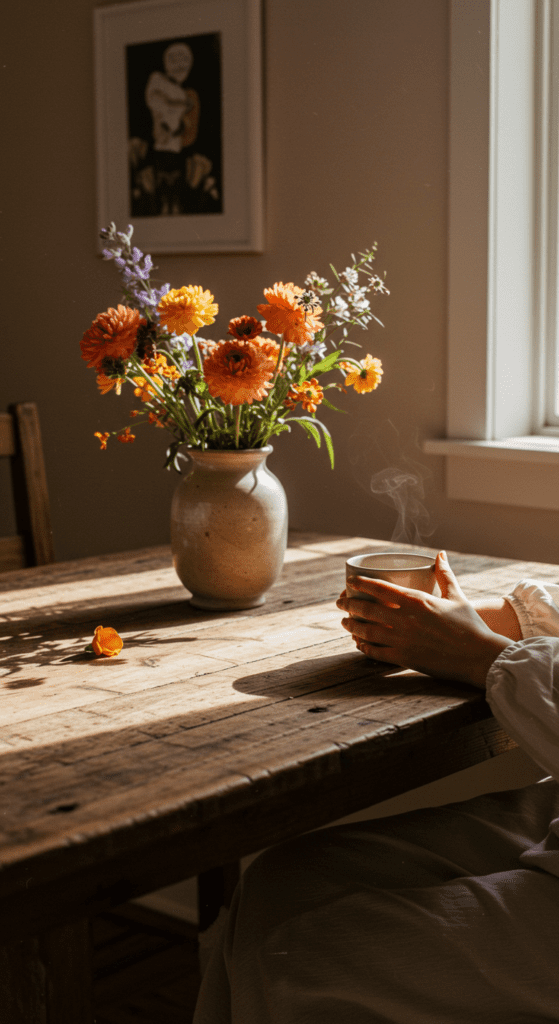
Many women are living in survival mode. Bills, work, family, and responsibilities leave little room to breathe. Building a self sufficient home is one way to move from survival into ownership.
Ownership means you are shaping your environment instead of being shaped by it. It means you are responding intentionally instead of reacting constantly. That shift does not happen overnight, but it begins with one small decision.
Cook one meal. Fix one thing. Grow one plant. Establish one weekly rhythm.
Related: How To Shift From Survival Mode To Calm Confidence
The Compounding Effect of Small Habits
When you look at these habits individually, they may seem ordinary. Cooking, repairing, tidying, planning. Yet when practiced consistently, they compound into something powerful.
Over months and years, your grocery bills stabilize. Your home requires fewer emergency fixes. Your confidence grows. You feel less at the mercy of outside systems.
That is the heart of a happy, self sufficient home. It is not flashy. It is steady. It supports you when life feels uncertain.
You do not need to transform everything at once. Choose one habit this week. Let it settle into your routine. Then choose another.
Your home can become a place of competence and contentment. One habit at a time is enough.