This post may contain affiliate links, including those from Amazon Associates. If you make a purchase through these links, I may earn a commission at no additional cost to you. Learn more about our affiliate policy.
There’s something about the holidays that brings everyone to the table. Laughter fills the room, candles flicker, and the air smells faintly of citrus and spice.
But if you’ve ever hosted during the season, you know how easy it is to feel weighed down, by both the cost and the heaviness of traditional foods.
I used to love creating big spreads for family gatherings, until I realized that most of what was served left everyone tired, overfull, and sluggish.
Clean eating changed how I approach holiday hosting. It doesn’t mean limiting joy or flavor; it means creating food that makes people feel nourished, energized, and cared for.
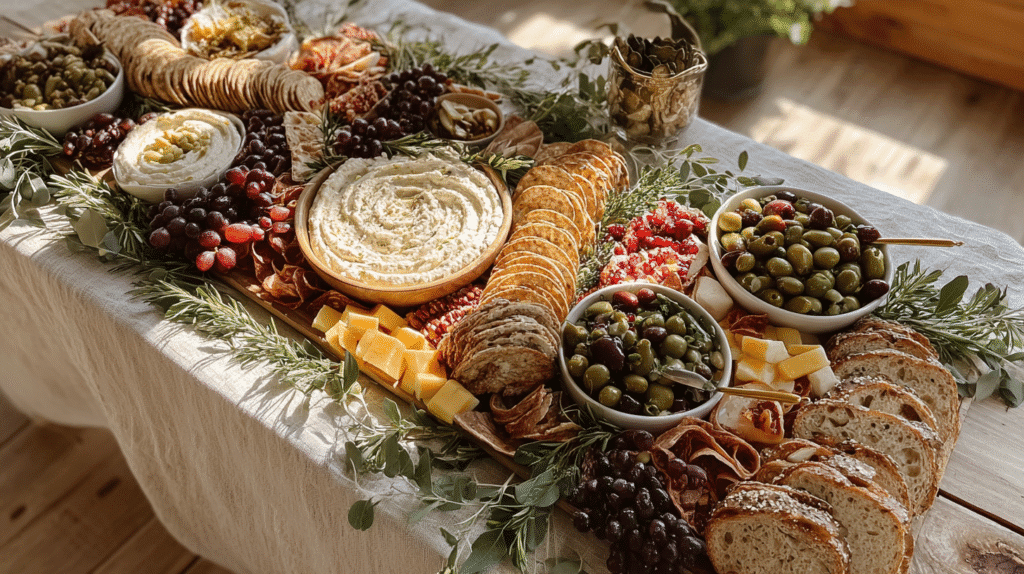
A graze table is the perfect way to do that. It feels abundant and festive, yet can be built entirely from simple, wholesome ingredients without stretching your budget.
Why a Graze Table Works for Holiday Hosting
Traditional dinners often create pressure for the host to manage timing, and for guests to sit down all at once. A graze table removes that weight. It encourages connection, letting people mingle and pick what they love at their own pace.
A clean eating graze table works beautifully for three reasons:
- It makes healthy food look stunning and inviting.
- It keeps costs lower by using seasonal, simple ingredients arranged artfully.
- It gives your guests choices without the overwhelm of a full meal.
When you fill the table with color, texture, and freshness, you create a sense of celebration that doesn’t rely on processed foods or fancy ingredients.
It’s abundant, but it’s also intentional.
Choosing Clean Eating Foods That Feel Festive
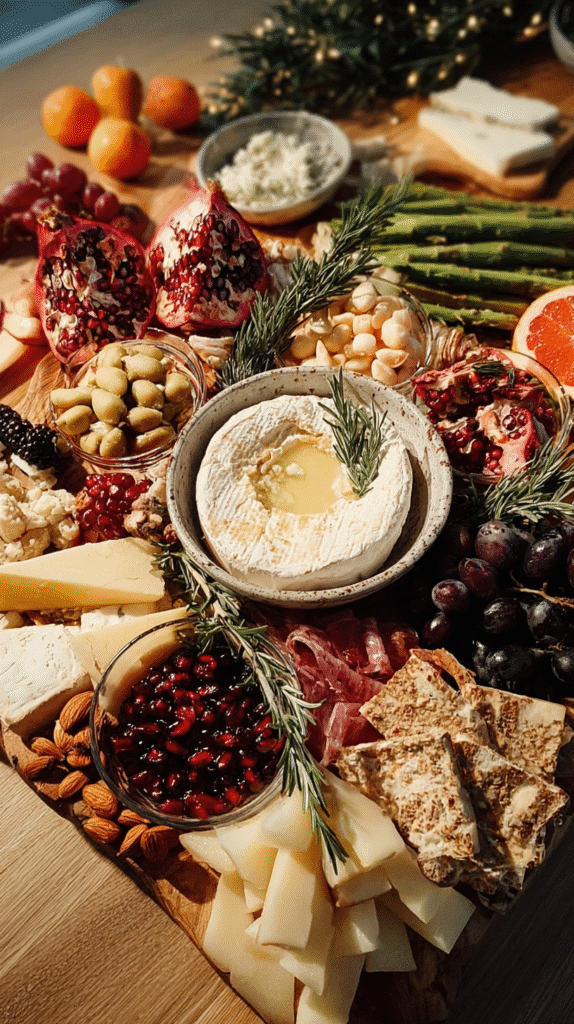
The best graze tables balance nourishment and beauty. You don’t need to overthink it. Start with real, whole foods that look vibrant on their own. Think of color as your guide and simplicity as your secret.
Here’s an easy way to build the table in layers:
- Fresh produce foundation – Use crisp vegetables, roasted roots, and seasonal fruits. Sliced cucumbers, cherry tomatoes, celery sticks, apple slices, and pomegranate seeds add both freshness and color.
- Wholesome dips and spreads – Include a few simple options like hummus, guacamole, tzatziki, or roasted beet dip. Serve them in small bowls across the table so guests can reach easily.
- Whole grains and crackers – Add a basket of sliced whole-grain baguette, seeded crackers, or pita triangles for pairing with dips and proteins.
- Protein and healthy fats – Include roasted chicken strips, hard-boiled eggs, chickpeas, nuts, or smoked salmon. Even a small amount of cheese can work here, just keep it simple and high-quality.
- Natural sweets – A handful of dates, dark-chocolate-dipped fruit, or spiced nuts create a sense of indulgence without refined sugar.
This combination offers something for everyone: fresh, crunchy, creamy, and savory elements that leave people satisfied rather than stuffed.
Budget-Smart Shopping and Prep Strategies
You don’t need to spend much to make your graze table feel abundant. With a bit of planning, you can create something beautiful for a fraction of what catering would cost.
Start by focusing on what’s seasonal. In winter, root vegetables, citrus, apples, and hearty greens are plentiful and inexpensive. Buy produce in bulk when possible and prep it yourself.
Other cost-saving tips:
- Shop local or at discount stores. Many budget grocery stores have excellent produce and bulk nuts at lower prices.
- Use what you already have. Instead of buying new boards or serving ware, line your table with parchment or butcher paper and layer cutting boards or trays you already own.
- Fill with affordable fillers. Bread slices, roasted chickpeas, and in-season fruits help make the table feel full without overspending.
- Batch your prep. Chop, roast, and pre-portion everything the night before so you’re not overwhelmed on the day of.
Spend slightly more on one or two “hero items” that elevate the spread, maybe a high-quality hummus or a beautiful wedge of local cheese.
When surrounded by fresh produce and grains, it will stand out without breaking your budget.
Creating the Layout and Flow
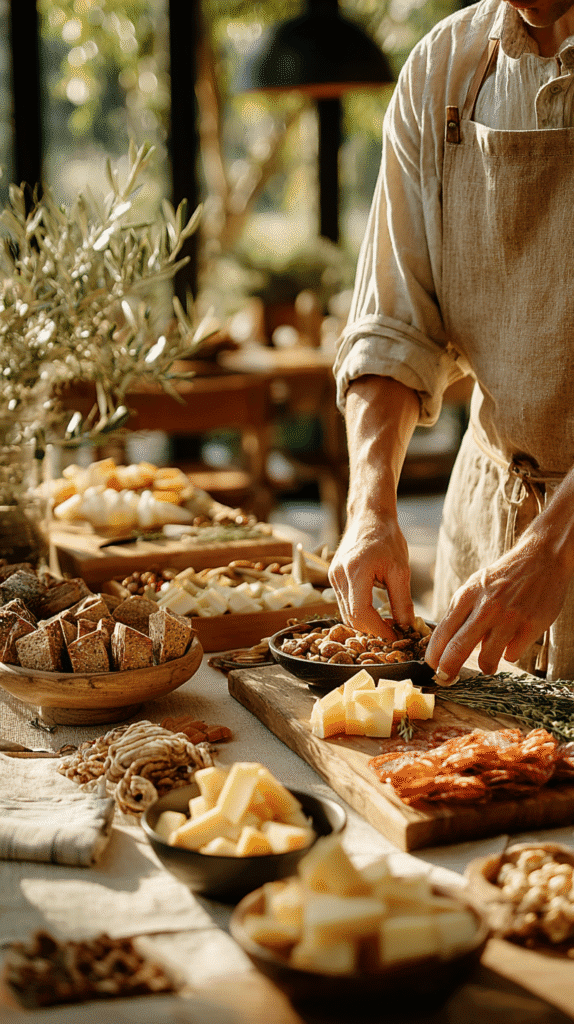
A graze table looks its best when it feels abundant and natural, not overly styled. The key is to use color, texture, and height to make the table feel full. Start with large items and work your way toward smaller ones.
Tips for a balanced layout:
- Place dips and bowls first to anchor the table.
- Arrange clusters of fruits and vegetables in alternating colors for visual flow.
- Use small bowls for nuts, olives, or seeds to break up the layout.
- Add height by stacking cutting boards or using small stands under platters.
- Fill gaps with sprigs of rosemary, greenery, or small seasonal decorations like pinecones or cranberries.
These natural details cost little but make the table feel intentional and festive. It’s the small touches—like a drizzle of olive oil on a bowl of hummus or citrus slices tucked between veggies—that elevate the presentation.
Clean Eating Staples That Stretch a Budget
Some ingredients naturally go far while keeping things clean and wholesome. These are the ones I reach for again and again when building a spread:
- Roasted root vegetables – Carrots, sweet potatoes, and beets are colorful, hearty, and affordable. Serve them warm or at room temperature with olive oil and herbs.
- Seasonal fruits – Apples, pears, clementines, and grapes bring sweetness and color without added sugar.
- Whole-grain crackers and breads – Look for store brands with minimal ingredients. Toast them lightly for texture.
- Homemade dips – You can make hummus, guacamole, or yogurt-based sauces in minutes for less than half the price of store-bought.
- Nuts and seeds – Buy in bulk and use small portions for crunch and visual balance.
- Herbs – Fresh rosemary, thyme, or parsley instantly make the table feel vibrant and aromatic.
These staples combine beautifully and keep your budget intact while offering a satisfying mix of flavors and textures.
Hosting With Ease and Flow
A graze table isn’t just about food, it’s about the energy it creates. Guests move, chat, and pause between bites. The food encourages connection without the structure of a formal meal.
Here are a few ways to keep the flow effortless:
- Place napkins, small plates, and utensils at multiple points so guests can join from anywhere.
- Include a few labeled cards identifying gluten-free or plant-based options. It saves guests from guessing.
- Refill the table gradually rather than all at once—it helps food stay fresh and minimizes waste.
- Set up your drink station nearby with infused water, herbal tea, or sparkling water with citrus slices to match your clean-eating theme.
I like to take a deep breath once everything is arranged and light a candle or two before guests arrive. That small pause reminds me that the purpose of the evening is connection, not perfection.
If you want to bring the same calm, intentional energy into the rest of your season, these slow living lifestyle practices for stress-free holidays pair beautifully with your mindful approach to hosting.
The Heart Behind the Table
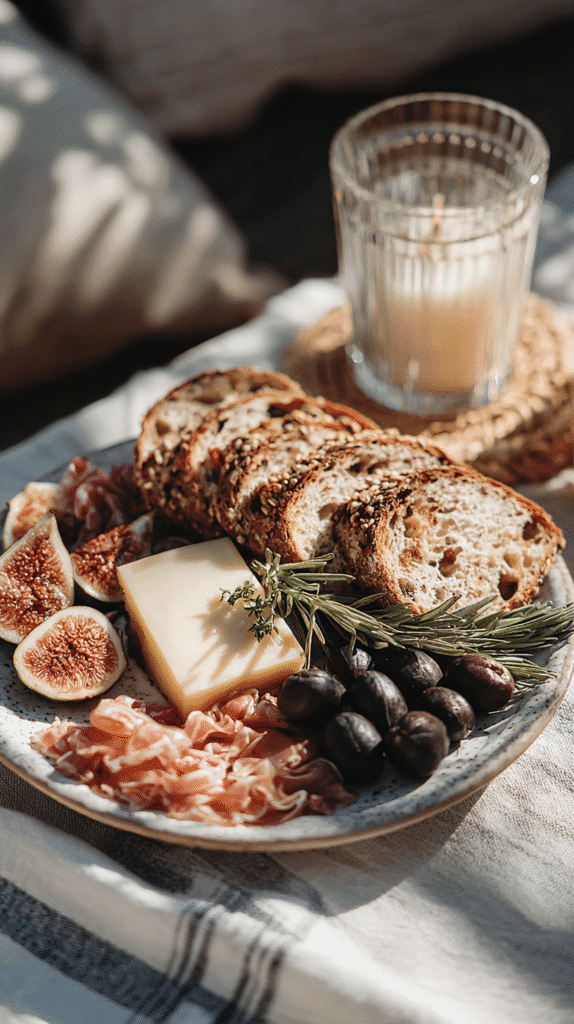
When I started creating graze tables, I realized they represented more than just food. They reflected the kind of life I wanted to live, intentional, nourishing, and free from unnecessary excess.
A healthy holiday spread is about honoring your values without feeling deprived. It’s proof that abundance doesn’t require overspending or overindulgence. You can feed people well and still feel aligned with your desire for clean, balanced living.
If you’ve ever felt stressed by hosting or unsure how to create something beautiful on a budget, start here. Begin with real ingredients, add natural beauty, and let go of the rest.
Closing Thoughts
Hosting a holiday gathering rooted in nourishment rather than overconsumption changes the entire experience. You feel lighter, more present, and genuinely connected to the people around you.
A clean-eating graze table is simple at heart: whole food, arranged with care, shared with love. It shows that wellness and celebration can exist side by side. And when your guests leave feeling full but not weighed down, you’ll know you created something meaningful—something that nourishes body and spirit alike.