
This post may contain affiliate links, including those from Amazon Associates. If you make a purchase through these links, I may earn a commission at no additional cost to you. Learn more about our affiliate policy.
There was a point where I kept wondering why money felt like it was slipping through my hands.
Nothing dramatic, no big purchases, just a steady stream of small expenses that seemed to add up faster than I expected. Coffee here, takeout there, replacing something that could have been fixed.
It created a low level stress that followed me through the day. Not overwhelming, but always present.
And the more I paid attention, the more I realized it wasn’t about needing to earn more right away. It was about how I was moving through my daily life.
Self sufficiency, in the way that actually changes things, is about reducing how often you rely on spending to solve small problems and building a home life that supports you, which is exactly what self sufficiency can look like in everyday practice.
These habits are simple, but they create a kind of stability that builds over time.
Why Small Self Sufficient Habits Matter More Than Big Changes
It’s easy to think that saving money requires a major lifestyle overhaul. A strict budget, a complete lifestyle reset, or cutting out everything that feels enjoyable.
But most of the time, the real change comes from smaller, repeated actions that gradually make daily life feel lighter and more intentional.
Money tends to leave in quiet ways. A few dollars at a time, often tied to convenience or habit. When those patterns shift, even slightly, the effect compounds without requiring force.
Self sufficiency in daily life means relying more on your own systems and less on constant purchasing. It creates a rhythm where your needs are already supported before the moment of urgency arrives.
Cook More Meals at Home Using What You Already Have

Cooking at home becomes easier when you stop trying to make it perfect. I used to overcomplicate it, which made it feel like something I didn’t have time for. What changed everything was working with what I already had instead of planning around something new.
When you begin here, it can be as simple as:
- checking your pantry before grocery shopping
- building meals from ingredients you already use
- repeating a few go-to meal plans instead of constantly searching for new ones
Even a few more meals at home each week can shift your spending without feeling restrictive.
Prepare Food Ahead So You Don’t Default to Buying
Many purchases happen because of timing. You’re out, you’re tired, and buying something feels easier than figuring out another option. Without preparation, these moments repeat more often than you realize.
Having simple food ready changes that pattern. It doesn’t require full meal prep or complicated planning. Just a few intentional decisions made ahead of time.
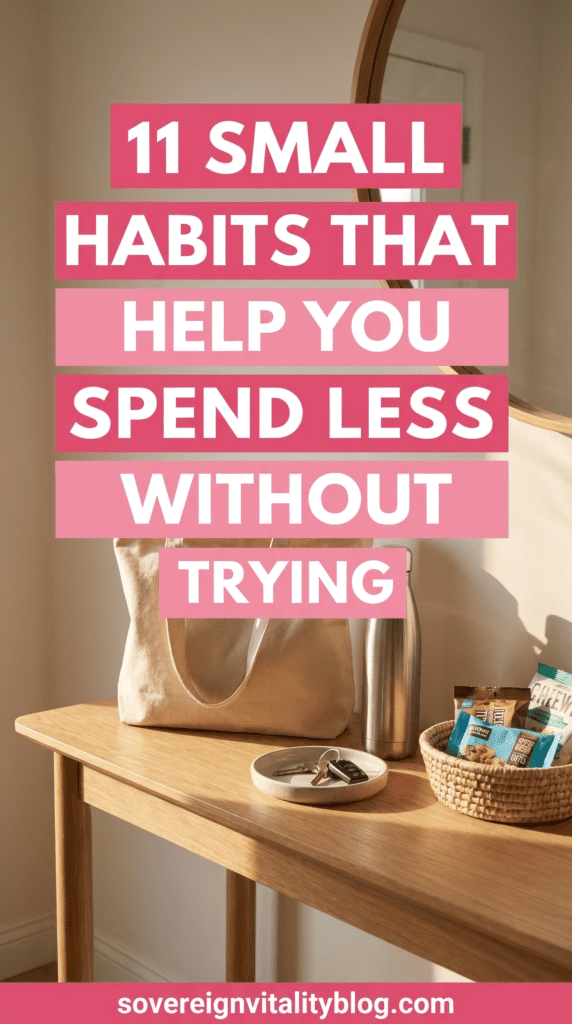
You might start with bringing coffee, preparing lunches, or keeping easy snacks available so convenience spending does not keep filling the gaps in your day. These small steps remove the urgency that often leads to unnecessary spending.
Have Regular No Spend Days Each Week
Creating no spend days brings awareness to how often money leaves without much thought. It’s not about restriction. It’s about stepping out of the automatic cycle of spending.
On these days, you rely on what you already have and lean into routines that don’t require purchases so the day still feels full without asking you to spend.
Meals at home, routines that don’t require purchases, and time spent in ways that feel simple and grounding.
Over time, this becomes a reset point in your week. Spending begins to feel more intentional instead of constant.
Learn to Fix and Maintain What You Own
There is a different relationship that forms when you start maintaining what you already have. Instead of replacing things quickly, you begin to pause and consider what can be repaired.
You don’t need to learn everything. A few basic skills are enough to make a meaningful difference.
This might include:
- sewing a button or fixing a small tear
- tightening or adjusting items around your home
- cleaning and maintaining things before they wear down
These small actions extend the life of what you own and reduce how often you need to spend money replacing it.
If you’re enjoying these tips so far, I think you will get a lot out of this video from Meghan Livingstone:
Buy in Bulk and Store Food Intentionally
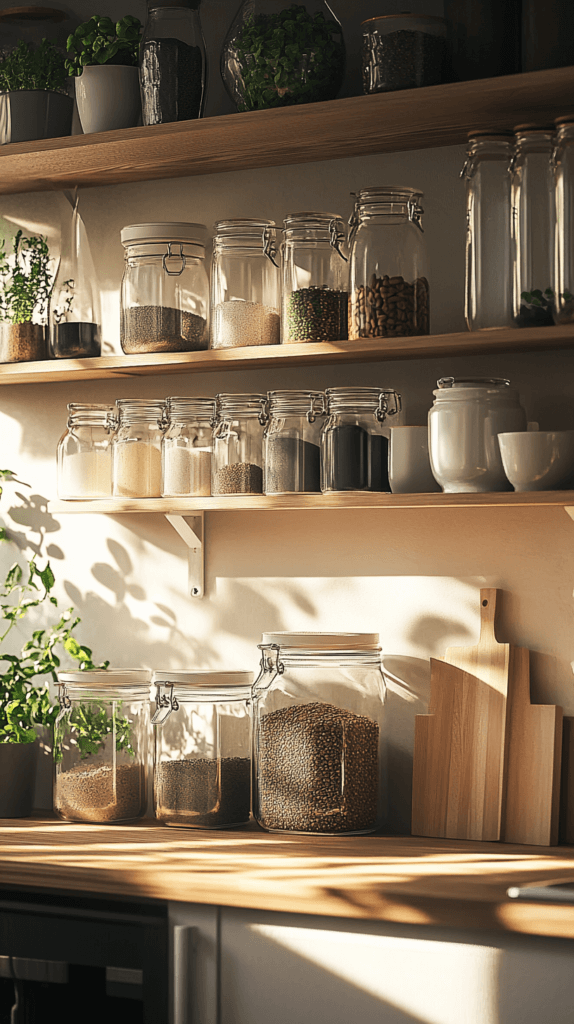
Buying in bulk can be helpful, but only when it matches your actual habits. It’s not about buying more. It’s about buying what you consistently use and storing it in a way that makes sense.
When you focus on staple items, you reduce cost over time without creating waste. Portioning and freezing can also make bulk purchases easier to manage.
This creates a sense of stability in your kitchen because you begin relying more on your own systems and less on last minute shopping.
Carry What You Need So You Don’t Buy It Later
One of the simplest habits is also one of the most effective. When you leave the house without what you need, you often end up buying it later.
Carrying a few essentials removes that pattern before it begins. It shifts you from reacting to situations to being prepared for them.
Things that make the biggest difference tend to be small. Water, snacks, or basic items you reach for throughout the day. Having them with you reduces those quick purchases that add up over time.
Notice Where Your Money Actually Goes
Awareness creates change without pressure. When you begin to notice where your money goes, patterns become clear in a way that feels practical.
You might start to see:
- how often small purchases happen out of habit
- which moments are tied to convenience
- where money leaves without much thought
This clarity allows you to adjust naturally. You don’t need to force anything. You simply begin to move differently.
Delay Purchases Instead of Acting Immediately
There is usually a small window between wanting something and buying it. Expanding that window can change your spending patterns in a noticeable way.
Instead of purchasing immediately, give it time. Even a short delay creates space to think more clearly.
Often, the urgency fades. And if it doesn’t, the purchase becomes more intentional instead of reactive.
Reduce or Eliminate Recurring Expenses
Recurring expenses can quietly drain your finances because they don’t require your attention. Subscriptions and automatic charges often continue long after they stop being useful.
Taking time to review them can lead to immediate savings without changing your daily habits.
You might look at:
- subscriptions you rarely use
- memberships that no longer fit your life
- small automatic charges you’ve forgotten about
Removing even a few of these creates space in your finances right away.
Use What You Have Before Replacing It
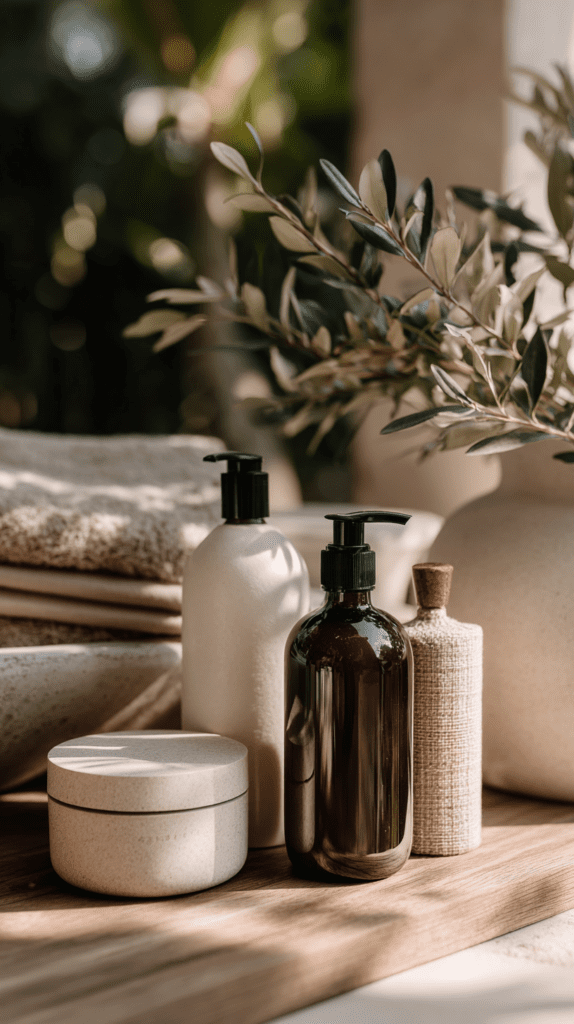
It’s easy to replace things before they are fully used. A new product before the old one is finished, or a duplicate because you forgot what you already had.
Using what you own completely creates a different rhythm because it shifts your attention from lack to stewardship. You become more aware of what you have and how you use it.
This reduces waste and ensures that your money is being used fully, not partially.
Stay Home More and Create a Life You Enjoy There
Spending often happens outside the home. Restaurants, stores, and environments that are designed to encourage consumption. When you’re in those spaces more often, spending becomes the default.
Creating a home life you enjoy changes that. It reduces the need to go out just to feel something different.
This doesn’t require anything elaborate. This might look like cooking meals you enjoy, creating simple routines, or making your space feel more supportive of your daily life so staying home feels nourishing instead of limiting.
A Shift Toward Capability
At the center of all of this is a shift from convenience to capability. Not in a way that feels overwhelming, but in a way that builds steadily over time.
Each habit increases your ability to meet your own needs without relying on spending. That creates a sense of stability that feels real and lasting.
You don’t need to do everything at once. Choose one or two habits and begin there. Let them become part of your rhythm, and allow the rest to follow naturally.