
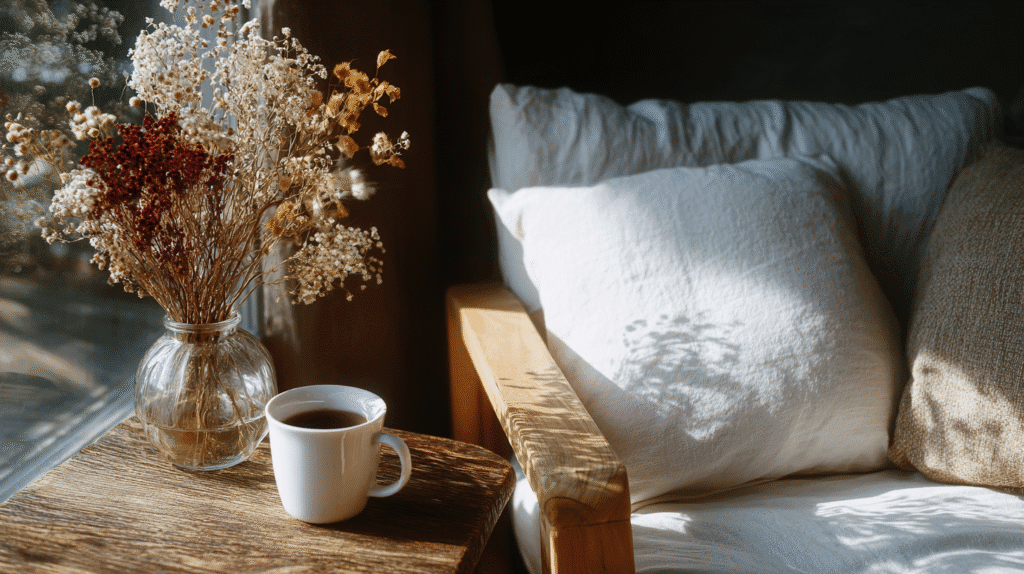
This post may contain affiliate links, including those from Amazon Associates. If you make a purchase through these links, I may earn a commission at no additional cost to you. Learn more about our affiliate policy.
There was a time when I thought my home looked tidy enough, organized and neat on the surface.
Yet, despite appearances, stepping through my front door still left me feeling subtly drained and overstimulated.
I’d pause in my kitchen after a long day, unsure why I couldn’t settle into rest, as though invisible static hung in the air.
It wasn’t obvious at first, but I eventually learned that my nervous system was responding to unseen sensory cues.
Our nervous systems continuously scan our environment, asking one simple question: “Am I safe here?”
Bright lights, cluttered surfaces, loud noises can silently keep our bodies in a state of subtle alertness, a low hum of readiness that’s exhausting.
But when our spaces reflect ease, comfort, and clarity, our nervous systems can relax into genuine rest.
Signs Your Home May Be Overstimulating Your Nervous System
- You feel more peaceful outside your home than inside it
- You avoid certain rooms because they feel heavy, cluttered, or chaotic
- You struggle to rest even when nothing urgent needs to be done
- You feel irritated by lighting, noise, smells, or visual mess
- You need a long time to decompress after being in your own space
- You feel better after clearing one surface, opening a window, or dimming the lights
Creating a nervous system sanctuary at home isn’t about aesthetics or expensive décor. It’s about small shifts that send calming signals to your body. These signals tell you: “It’s okay here. You can rest.”
When your body needs immediate support, these fastest ways to regulate your nervous system can pair beautifully with a calmer home environment.
Why Environment Matters for Nervous System Regulation
Our surroundings affect us on a subconscious level, shaping our moods, emotions, and even physical responses.
The textures beneath our fingertips, the quality of the light, and the ambient sounds around us are sensory inputs that impact how safe we subconsciously feel.
When our environment is overstimulating, cluttered, or harsh, our nervous systems remain subtly tense, bracing against overwhelm.
You might not even realize your environment is causing stress. But there are subtle signs:
- Feeling restless at home, unable to unwind
- Experiencing fatigue despite resting
- Avoiding certain rooms or areas without knowing why
- Difficulty transitioning from productivity to relaxation
When you understand these signals as messages from your nervous system, you can begin reshaping your space to cultivate calm.
For a deeper room-by-room approach, explore how to create a peaceful home that supports nervous system regulation on our sister site with small, sensory-focused tweaks.
Start With One Room, Not The Whole House
The easiest way to create a nervous system sanctuary is to begin with one room you already use for rest.
For most people, this will be the bedroom, living room, bathroom, or a small corner where they drink tea, journal, pray, read, or decompress.
Choose one space and ask: “What would help my body feel safer here within the next ten minutes?”
That single question keeps the process grounded, practical, and immediately doable.
The Three-Layer Sanctuary Framework
A calming home is built in layers.
1. Remove What Overstimulates
Begin by noticing what feels harsh, loud, cluttered, bright, or emotionally heavy.
2. Add What Regulates
Bring in sensory cues that help your body soften, such as warm light, gentle sound, soft textures, natural scent, and clear pathways.
3. Repeat What Feels Safe
The nervous system responds to consistency. A familiar lamp, evening tea, calming playlist, or reset basket becomes more powerful when your body learns to associate it with rest.
Light: Soften and Warm the Glow
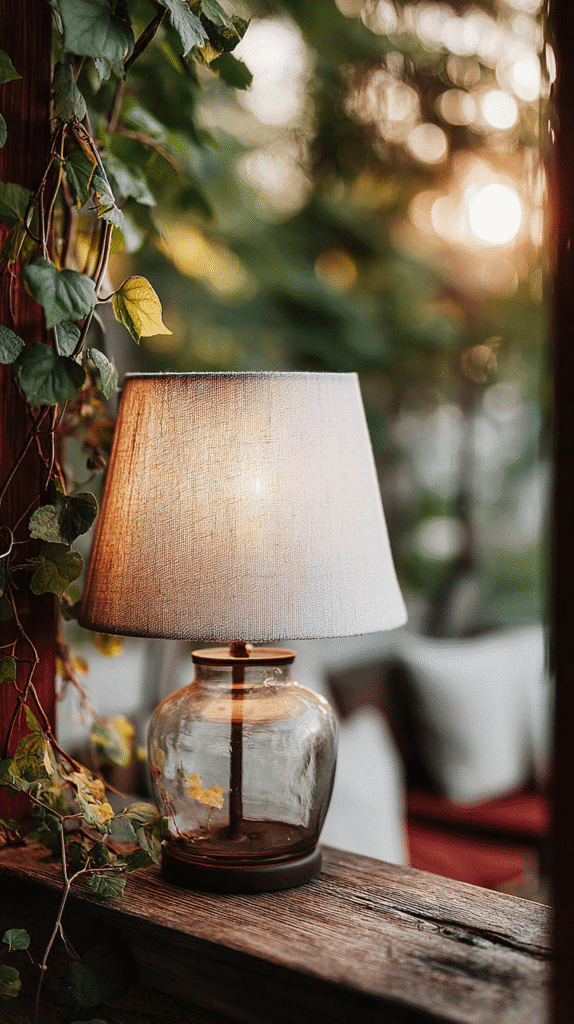
Lighting directly influences your nervous system, helping it shift from alertness to relaxation. The quality of your light matters a great deal, especially at transitional times like morning and evening.
Practical ideas to enhance calming lighting:
- Open blinds early for natural morning light, regulating circadian rhythms
- Switch from bright overhead lights to soft lamps with warm bulbs after sunset
- Use candles or diffused lighting in the evening as visual cues to wind down
- Incorporate dimmable LED bulbs in high-use areas, allowing flexible brightness levels
Pairing warm lighting with your evening routine can improve sleep significantly. I dive deeper into this practice here: 7 Sunday Habits That Help You Sleep Better All Week.

Evening Light Reset
Try this tonight:
- Turn off overhead lighting one hour before bed
- Switch on one warm lamp or salt lamp
- Light a beeswax candle if you enjoy gentle scent
- Put your phone brightness on the lowest comfortable setting
- Let this lighting become your visual cue that the day is ending
This small ritual teaches your body that evening is no longer a time for urgency. It becomes a quiet threshold into rest. To deepen this ritual, try pairing dim light with a cozy screen-free evening routine.
Sound: Lowering the Volume of Life
Auditory input can subtly overstimulate us. Background TV, noisy appliances and city sounds may be considered white noise, but they matter.
Creating auditory calm at home provides immediate relief.
Easy ways to create soothing soundscapes:
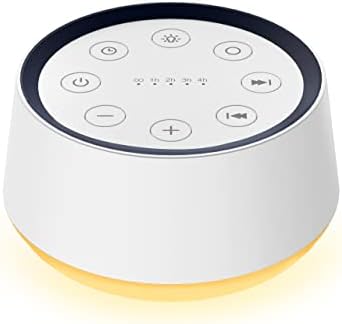
- Play ambient sounds or nature playlists at low volume. A brown noise machine can smooth out city sounds without feeling overstimulating.
- Use soundproof velvet curtains or rugs to absorb echo and soften acoustics
- Choose quiet background noise deliberately, avoiding constant overlapping sounds
- Introduce intentional silence each day, moments with minimal stimulation
Texture: Inviting Comfort Through Touch
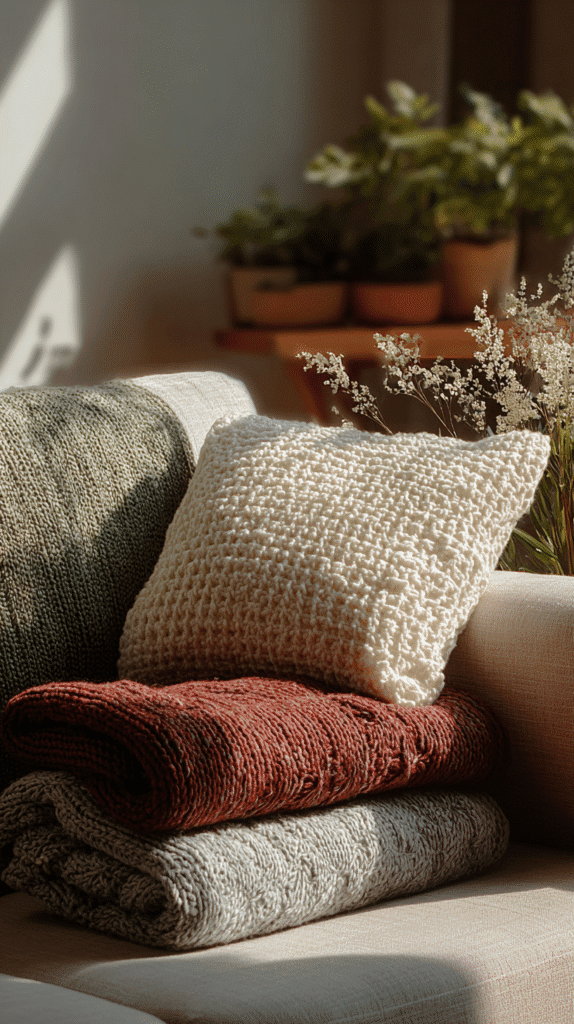
Touch is a powerful yet subtle regulator of your nervous system, offering cues of comfort and safety. Tactile experiences remind your body to release tension and settle.
Comforting textures to incorporate at home:
- Soft textured blankets with natural fibers like linen, cotton, and wool
- Rugs or mats that invite indoor barefoot grounding
- Plush pillows or cushions to promote support and deeper relaxation

Scent: Create Calm Through Aromatic Signals
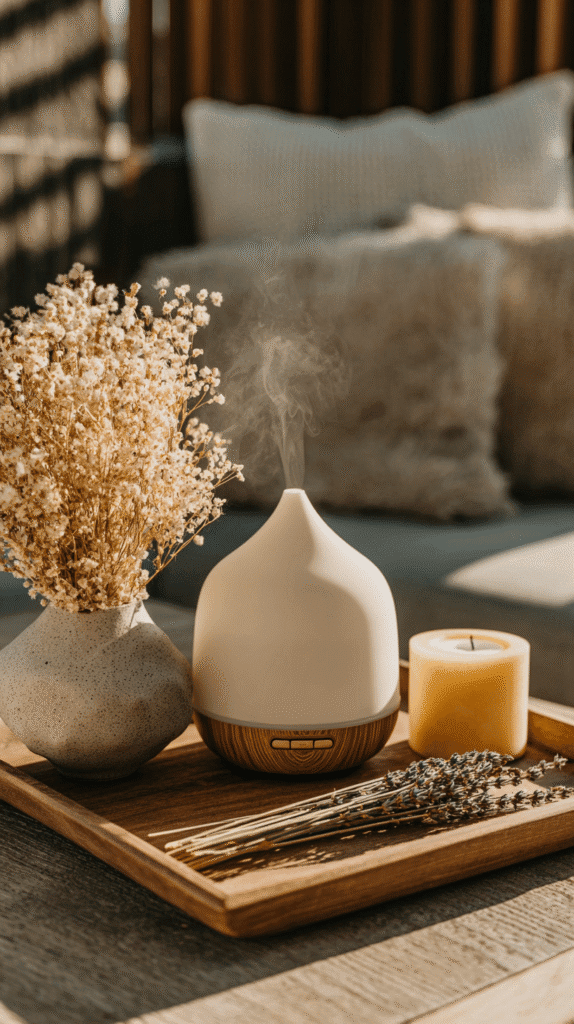
Our sense of smell bypasses logical thinking and speaks directly to the limbic system, which governs emotional responses.
Aromatic signals at home can quickly soothe anxiety and promote restful states.
Consider these aromatic practices:
- Essential oil diffusers using lavender, vetiver, bergamot, or chamomile
- Simmer pots filled with citrus, rosemary, or cloves for a comforting atmosphere
- Beeswax candles, which emit a subtle honey scent that soothes anxiety
- Herbal teas simmering gently on the stove, offering comforting aromas throughout your home

Layout: Encouraging Ease and Flow
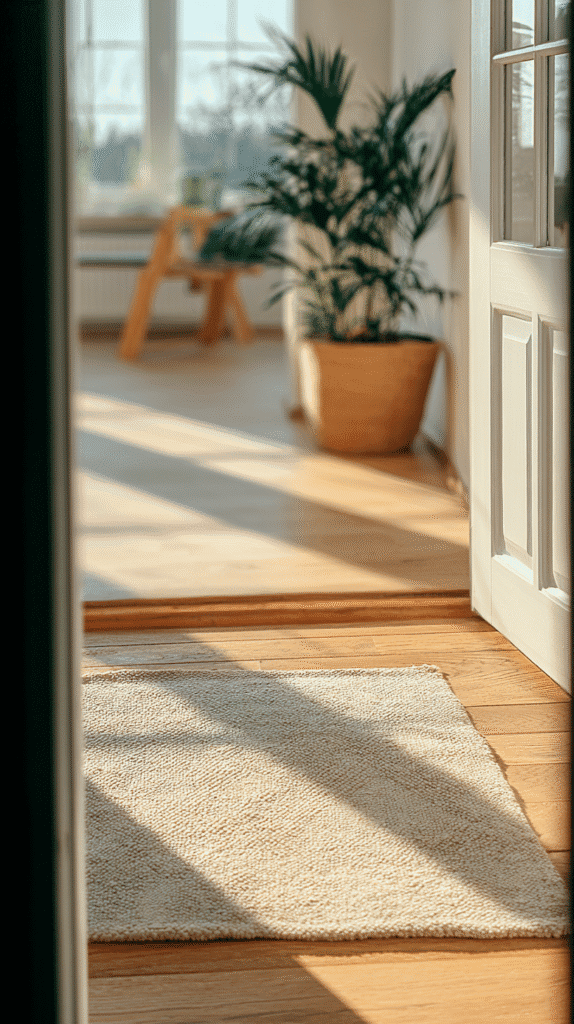
The physical flow of your home shapes how your body experiences daily tasks. Simple layout adjustments can significantly reduce unconscious tension.
Easy layout improvements:
- Maintain clear paths through your home to avoid unnecessary friction
- Minimize clutter on surfaces to support visual calm. Here is a 15-minute daily decluttering practice to try.
- Arrange seating to face calming focal points, like a window or fireplace
- Keep essential items easily accessible, reducing small daily stressors
When reorganizing your home, Sundays can provide the ideal moment to reset not just your routines, but your space. I share more on integrating these resets here: How To Prep Your Nervous System for the Week.
Get more tips from this video for a psychology-backed ideas from architect Baixu:
Add Natural and Biophilic Design Elements
Nature gives the nervous system familiar cues of calm, rhythm, and steadiness. Even one or two organic details can make a room feel more grounded.
Simple ways to add biophilic design:
- Add a soft, rounded plant to your reset space
- Choose gentle leaf shapes over sharp or spiky plants
- Place seating near a window, garden view, or natural light
- Use landscape art with trees, water, open views, or soft horizons
- Bring in natural materials like wood, linen, clay, stone, or woven baskets
- Keep nature-inspired colors soft, muted, and low contrast
Choose the elements that help your body exhale, then keep the space simple and breathable.
If you want your home to feel calmer without a full redesign, these affordable ways to upgrade your home and daily routines offer simple next steps.
Build Your Sanctuary Basket or Reset Zone

You don’t have to overhaul your entire home at once. Consider creating a portable sanctuary: a dedicated tray, basket, or drawer containing everything needed for quick nervous system resets.
Your sanctuary basket might include:
- Favorite relaxing herbal tea blends
- Magnesium spray or lotion for relaxation
- A journal and pen for emotional clarity
- Cozy accessories like warm wool socks, a blanket, or a wrap
- Access to a calming playlist or nature sounds
- Small grounding objects like stones or crystals
This basket serves as your mobile sanctuary, making it easy to reconnect with calm even on busy days. It’s also perfect for your weekly reset practice, as discussed here: How To Create the Ultimate Sunday Reset for Your Nervous System.

Small Spaces and Shared Homes: Creating Sanctuary Anywhere
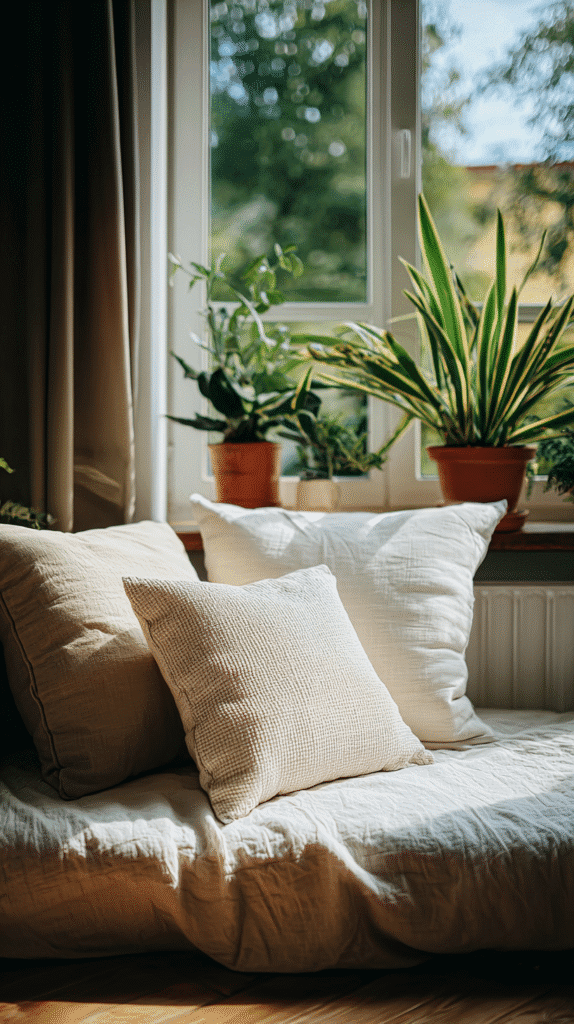
If you share your space or have limited square footage, you can still create powerful nervous system signals through small intentional shifts:
- Choose one corner, chair, or spot as your dedicated reset zone
- Communicate your routine gently to those around you, setting expectations without confrontation
- Focus on sensory cues rather than large-scale redecorating. Soft lighting, comfortable textures, soothing aromas are accessible in any space
If you’re working with limited square footage, this walkthrough on turning a tiny apartment into a nervous system sanctuary shows how to use light, texture, and layout to create calm without major upgrades.
Your Home as a Source of Renewal
Creating a nervous system sanctuary at home is about quiet, intentional signals that reassure your nervous system rest and relaxation are safe and accessible right where you are.
This week, consider choosing just one element and start there. Notice how your body responds. Allow your home to become not just a place you occupy, but a place that restores you, moment by moment, cue by cue.
For long-term support beyond your home environment, explore how to build nervous system resilience when life feels overwhelming.
Your home can be more than a place to live, it can be a daily sanctuary offering peace amid the noise of the world.